Top 10 Office Flag Stand Types for Global Buyers?
Choosing the right Office Flag Stand is rarely as simple as selecting the lowest price. Global buyers must compare stability, portability, floor protection, branding impact, and shipping efficiency. A stand that works in a quiet reception area may fail beside a busy exhibition entrance. Small details matter, including rubber feet, base weight, pole height, fabric tension, and storage space.
Ethan Cole, a senior visual-merchandising consultant with experience in international display projects, says, “A good flag stand disappears behind the message while quietly keeping it visible.” This principle guides our comparison of the top 10 Office Flag Stand types for global buyers. The list considers cross bases, water-fillable bases, weighted plates, retractable stands, spike bases, ground screws, telescopic systems, rotating bases, wall-mounted holders, and compact portable models.
Some choices are obvious. Others are not. A water base can offer excellent stability, but it may become inconvenient when emptied or transported. A metal plate looks professional, yet it can mark delicate flooring without proper protection. Outdoor spike systems provide strong anchoring, but they are unsuitable for most indoor offices. These practical conflicts deserve more attention than attractive product photographs.
This guide also examines material quality, assembly time, replacement parts, packaging, and supplier communication. Performance claims should be verified with product specifications and real installation conditions. No ranking fits every market. That is the honest limitation. However, careful comparison can reduce costly replacements and help buyers create a cleaner, safer, and more consistent brand presentation.
What Office Flag Stands Are and How They Are Used
Top 10 Office Flag Stand Types for Global Buyers
What Office Flag Stands Are and How They Are Used
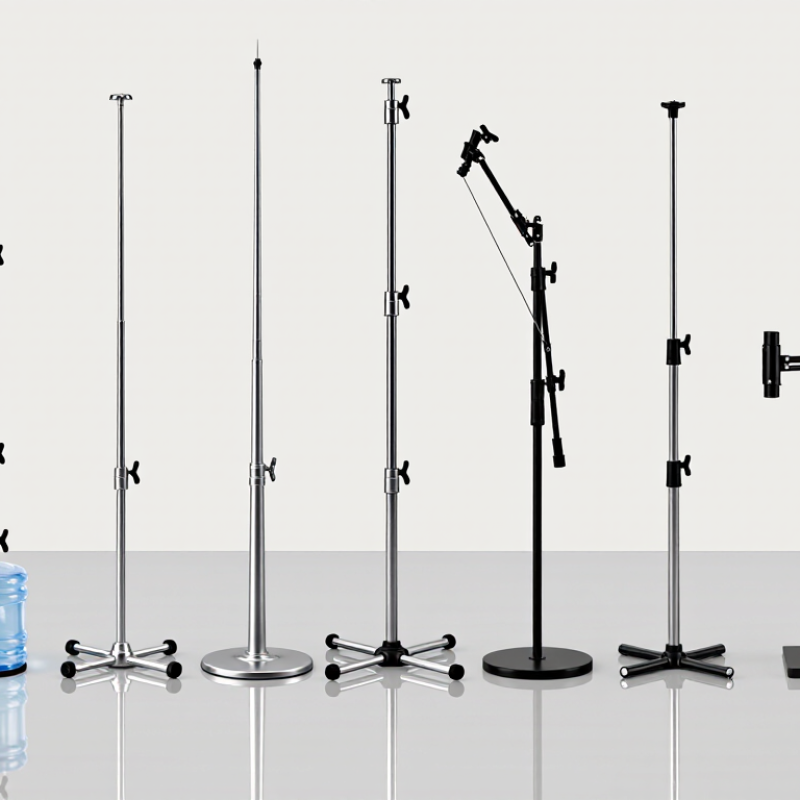
Office flag stands are portable display supports for reception areas, meeting rooms, corridors, and events. They hold national, corporate, organizational, or directional flags at eye level. Common types include tabletop stands, weighted floor stands, cross-base stands, water-base stands, telescopic stands, retractable stands, and banner-style systems.
Tabletop models suit reception desks and conference tables. Weighted floor stands provide a formal appearance beside entrances or presentation screens. Cross-base designs fold easily for transport. Water-base units offer better stability in busy areas, though they need careful filling and drainage. Telescopic stands adjust height for different ceiling levels. Retractable systems protect printed graphics during storage. According to the 2024 UFI Global Exhibition Barometer, exhibition activity continued recovering across major markets, increasing demand for portable display equipment. PPAI’s 2024 sales study also reported United States promotional-product sales above 26 billion dollars in 2023, showing the continuing value of physical identity displays.
Selection should match the environment, not only the appearance. Check base weight, pole diameter, fabric tension, storage size, and replacement-part access. A narrow base may look elegant but tip near a doorway. A heavier base may create a trip concern in crowded offices. I have found that buyers often underestimate floor protection. Rubber feet matter on polished stone and wood. Materials should resist corrosion, especially in humid climates. The ideal stand is visible, stable, easy to assemble, and simple to inspect. Yet no specification replaces a real site test.
The Top 10 Office Flag Stand Types by Design and Function
Top 10 Office Flag Stand Types by Design and Function
Office flag stands now serve more than decoration. They guide visitors, define reception zones, and support temporary campaigns. Grand View Research valued the global digital signage market at about USD 27.1 billion in 2023, showing stronger demand for flexible visual communication. That trend also affects printed displays. Small changes matter.
The ten practical types are desktop stands, floor stands, telescopic stands, retractable stands, wall-mounted stands, ceiling-mounted stands, weighted-base stands, clamp stands, feather-flag stands, and teardrop stands.
Function should lead design selection. A 2024 workplace report from Leesman found that employee experience depends heavily on how clearly workplaces support daily activities. A poorly placed flag can obstruct movement. It can also look temporary. Measure the base. Check fire exits, cleaning routes, and floor surfaces before ordering. Indoor air movement is often underestimated, especially near ventilation outlets. I have seen attractive feather flags lean after one busy afternoon. That is not a design success. Buyers should compare aluminum, steel, and recycled plastic components, then request stability data, fabric wash guidance, and replacement-part availability. Not every office needs ten.
Key Materials, Sizes, and Stability Features to Compare
Office flag stands vary widely, from compact tabletop holders to weighted floor bases, cross-foot stands, and telescopic systems. Global buyers should compare materials before appearance. Aluminum offers low weight and corrosion resistance, while steel provides stronger resistance to accidental impacts. The International Aluminium Institute reports that recycling aluminum uses about 95% less energy than producing primary aluminum. World Steel Association data also shows that recycling one tonne of steel can save about 1.5 tonnes of iron ore.
Size affects both visibility and balance. Tabletop stands usually suit 30–45 centimeter flags and reception desks. Floor stands commonly support 1.8–2.4 meter poles, but taller poles need wider bases. Check the base diameter, total weight, pole thickness, and fabric load together. A narrow plate may look elegant. It can still wobble beside a busy doorway.
Stability features deserve practical testing. Rubber feet reduce sliding on polished floors, while water-fill bases suit temporary displays. Weighted metal plates work better for long-term indoor use. Cable tension and a lower center of gravity also improve control. I would not assume the heaviest stand is always safest. It may damage delicate flooring or become difficult to relocate. Indoor air movement, cleaning equipment, and frequent handling should shape the final choice. A small tilt test is useful. So is checking replacement parts, because overlooked fittings often shorten a stand’s service life.
Top 10 Office Flag Stand Types for Global Buyers
Key materials, typical sizes, and stability features to compare
| Stand type | Common materials | Typical size | Main stability feature |
|---|---|---|---|
| Weighted round base | Steel, cast iron, rubber | 30–40 cm diameter; 1.5–5 kg | Low center of gravity and broad footprint |
| Weighted square base | Steel, aluminum, rubber | 25–40 cm square; 1.5–6 kg | Four-sided footprint with optional rubber feet |
| Water-fill base | Molded HDPE plastic | 35–50 cm wide; 8–20 L filled | Ballast can be added after placement |
| Telescopic cross base | Powder-coated steel or aluminum | 70–100 cm span; 1.5–3 m pole | Four arms distribute load across the floor |
| T-base | Steel or aluminum | 40–80 cm width; 1.5–3 m pole | Long horizontal support reduces tipping in one direction |
| X-base | Steel or fiberglass | 60–90 cm span; 1.5–3 m pole | Four-point contact with compact storage |
| Desktop weighted base | Steel, aluminum, wood | 10–18 cm footprint; 30–80 cm pole | Heavy base relative to a short flag height |
| Desktop clamp base | Zinc alloy, steel, aluminum | Fits desks up to 5 cm thick; 30–80 cm pole | Mechanical attachment prevents sliding |
| Ground spike | Galvanized steel or stainless steel | 20–40 cm insertion depth; 1.5–4 m pole | Deep soil anchoring for outdoor locations |
| Screw-in ground base | Steel or reinforced nylon | 15–30 cm screw depth; 1.5–4 m pole | Threaded anchoring improves resistance to pull-out |
The chart compares representative stability ratings from 1 to 5. Ratings reflect the combined effect of ballast, footprint, mechanical anchoring, and expected indoor or outdoor use; they are comparative design ratings rather than laboratory test results. Actual performance depends on flag size, fabric wind load, floor condition, and installation quality.
How to Choose Office Flag Stands for Different Global Markets
Top 10 Office Flag Stand Types for Global Buyers?
How to Choose Office Flag Stands for Different Global Markets
Choosing an office flag stand depends on more than appearance. Buyers should assess floor space, flag size, foot traffic, and installation habits in each market. Tabletop stands suit reception desks and meeting rooms. Weighted floor stands work better beside entrances. Wall-mounted holders save space in compact offices. Retractable stands offer quick setup for temporary events, but their moving parts need careful inspection.
North American offices often favor stable, portable floor stands for flexible layouts. European buyers may prefer slim designs that fit smaller reception areas. In parts of Asia-Pacific, lightweight tabletop stands can support frequent room changes. Hotter or more humid regions require corrosion-resistant metal and washable finishes. Soft carpet also changes stability. A narrow base may look elegant but perform poorly.
I have tested stands on tile, carpet, and uneven flooring. The same model did not behave equally well. A polished showroom sample can mislead. Ask suppliers for base dimensions, total weight, material details, and replacement-part options. Check whether the pole height matches the flag proportions. Sharp edges, loose joints, and unstable bases should fail inspection. Packaging matters too, especially for international shipping. Foam protection and clear assembly instructions reduce avoidable damage. Still, specifications cannot replace a small local trial. That step may feel slow, yet it often reveals practical problems before a larger purchase.
Top 10 Office Flag Stand Types for Global Buyers: How to Choose Office Flag Stands for Different Global Markets
| Rank | Office Flag Stand Type | Typical Construction | Recommended Flag Format | Stability | Portability | Best-Suited Global Markets | Main Advantages | Key Limitations | Recommended Buying Criteria |
|---|---|---|---|---|---|---|---|---|---|
| 1 | Cross-Base Stand with Water or Sand Bag | Foldable cross base with a flexible water-fill or sand-fill weight bag; usually paired with a fiberglass or aluminum pole. | Outdoor feather flags, teardrop flags, and medium-size promotional flags. | High outdoors | High | Europe North America Australia Middle East | Good balance between wind resistance, transport efficiency, and rapid setup. The empty weight bag reduces shipping volume. | Requires water or sand on site. The flexible bag may need replacement after prolonged outdoor use. | Check the filled ballast capacity, corrosion resistance, pole diameter, carry-bag quality, and compatibility with local flag sizes. |
| 2 | Heavy Steel Floor-Plate Stand | Powder-coated or plated steel base with a fixed vertical pole socket. | Indoor fabric flags, national flags, corporate flags, and reception flags. | Very high indoors | Low | Corporate offices Government buildings Hotels Conference venues | Stable, durable, and suitable for permanent or semi-permanent placement in entrances and meeting areas. | Heavy to move and less efficient for international parcel shipping. The metal surface may scratch floors without protective pads. | Specify plate thickness, total weight, anti-slip feet, surface coating, pole height, and packaging protection for overseas transport. |
| 3 | Round Weighted Base Stand | Compact circular base made from steel, cast iron, recycled plastic, or a composite material. | Small indoor flags, desk-height flags, and lobby presentation flags. | High indoors | Medium | Asia-Pacific Europe North America Retail offices | Professional appearance, compact footprint, and easy placement beside reception desks or display counters. | Less suitable for large flags or exposed outdoor areas. A smooth base can slide on polished floors if it lacks rubber feet. | Compare base diameter, weight, floor protection, pole attachment method, finish quality, and storage requirements. |
| 4 | Telescopic Pole Stand | Adjustable multi-section aluminum or fiberglass pole mounted on a compact base or ground support. | Adjustable indoor banners, small promotional flags, and event flags. | Medium to high | Very high | Trade shows Traveling sales teams Global events Small offices | Flexible height, compact storage, and convenient transport for repeated exhibitions or temporary installations. | More moving parts can increase maintenance needs. Maximum flag size is limited by pole strength and base weight. | Confirm adjustment range, locking mechanism, section strength, replacement-part availability, and the maximum recommended flag area. |
| 5 | Wall-Mounted Flag Bracket | Fixed stainless steel, aluminum, or coated steel bracket attached to a wall or column. | Vertical national flags, ceremonial flags, and narrow office flags. | High when correctly installed | Not portable | Government offices Embassies Hotels Permanent reception areas | Saves floor space and creates a clean, formal appearance. Suitable for narrow corridors and entrances. | Installation requires suitable wall structure and hardware. Position cannot be changed quickly. | Verify wall material, fastener type, projection distance, tube diameter, corrosion resistance, and local installation requirements. |
| 6 | Desk Flag Holder | Small metal, wood, plastic, or composite base with one or more short vertical sockets. | Table flags, country flags, organization flags, and meeting-room flags. | High for small flags | Very high | Boardrooms Reception desks Diplomatic settings Small offices | Low cost, easy to store, and well suited to formal meetings, executive offices, and international conference tables. | Only supports lightweight flags. Small bases can tip if the flag fabric or pole is oversized. | Check the number of sockets, base weight, pole diameter, finish, flag size limits, and whether the base protects desktop surfaces. |
| 7 | Water-Fill Base Stand | Hollow plastic or rotationally molded base filled with water for temporary ballast. | Outdoor banner flags, roadside promotional flags, and medium-size feather flags. | Medium to high outdoors | High when empty | North America Latin America Middle East Outdoor events | Lightweight before filling, reusable, and practical for temporary outdoor campaigns where water is readily available. | Freezing temperatures can damage the base if water is left inside. Leaks and UV exposure must be managed. | Review capacity, drain design, UV resistance, freeze guidance, handle design, wheel options, and regional water availability. |
| 8 | Ground Spike Stand | Steel or reinforced metal spike driven directly into soil, grass, or soft ground. | Outdoor feather flags, teardrop flags, and lightweight event flags. | High on soft ground | High | Parks Golf venues Outdoor festivals Agricultural events | Very compact, economical to transport, and stable when installed in suitable soil. | Not suitable for concrete, paving, hard floors, or many indoor locations. Installation may be restricted by local site rules. | Confirm spike length, steel hardness, corrosion protection, soil compatibility, safety requirements, and availability of alternative bases. |
| 9 | Ground Screw or Auger Base | Threaded metal screw or helical auger that is rotated into soil and connected to a flag pole. | Medium and large outdoor flags requiring stronger anchoring. | Very high on suitable soil | Medium | Construction sites Outdoor venues Sports facilities Wind-exposed locations | Provides stronger soil engagement than a simple spike and can support repeated outdoor use. | Requires installation tools and suitable ground conditions. Removal may disturb landscaped areas. | Evaluate screw diameter, installation torque, soil type, corrosion grade, pull-out resistance, and compatibility with the pole system. |
| 10 | Multi-Flag Floor Stand | Weighted base with two, three, or more vertical sockets arranged in a row or arc. | Sets of national flags, regional flags, and corporate office flag groups. | High indoors | Low to medium | International offices Conference centers Universities Hotels | Displays several flags in a consistent alignment and reduces the need for multiple separate bases. | Occupies more floor space and becomes heavy when designed for several full-size flags. | Specify socket spacing, total base weight, flag-order requirements, anti-tip design, pole height, and shipping dimensions. |
Selection should be based on intended location, flag dimensions, local wind and weather conditions, floor or soil type, installation rules, transport needs, and the availability of replacement components in the destination market.
International Purchasing, Safety, and Customization Considerations
Top 10 Office Flag Stand Types for Global Buyers
For global buyers, the right office flag stand balances stability, safety, and shipping efficiency. Common choices include desktop cross-base, weighted round-base, square-base, tripod, telescopic, wall-mounted, ceiling-hung, retractable, water-fill, and portable folding stands. Desktop models suit reception counters, while weighted bases work better near entrances and busy corridors. Tripod and folding stands support temporary events. Wall-mounted and ceiling-hung designs save floor space, but installation surfaces need careful checking.
International purchasing requires more than comparing unit prices. Confirm the stand’s height, base diameter, material thickness, fabric attachment, and packed dimensions. Metal parts should resist corrosion during humid transport. Sharp corners need protective packaging. A heavy base may improve stability, yet it can increase freight costs and handling risks. Ask for load testing, assembly instructions, material details, and sample packaging before placing a large order. Local safety expectations may also differ, so buyers should verify workplace and building requirements in the destination market.
Customization can include base color, pole finish, flag shape, printed artwork, and carry cases. Request color references rather than relying only on screen images. Check artwork size on an assembled sample. A perfect catalog image can hide weak stitching or an unstable joint. I have found that small fitting changes often matter more than decorative details. Still, customization sometimes creates delays or higher minimum quantities. Buyers should leave time for revisions, inspection, and unexpected packaging adjustments. Good documentation reduces mistakes, although it cannot replace a physical sample.
Related Posts
-
How to Choose the Best Office Flag Stand for Your Needs?
-

What is an Office Flag Stand and How to Choose the Best One?
-

How to Choose the Best Office Flag Stand for Your Needs?
-
What Is an Office Flag Stand and How Is It Used?
-

Best Stainless Steel Flagpoles for Your Business Needs?
-

Top Indoor Flag Pole Options for Your Home Décor?