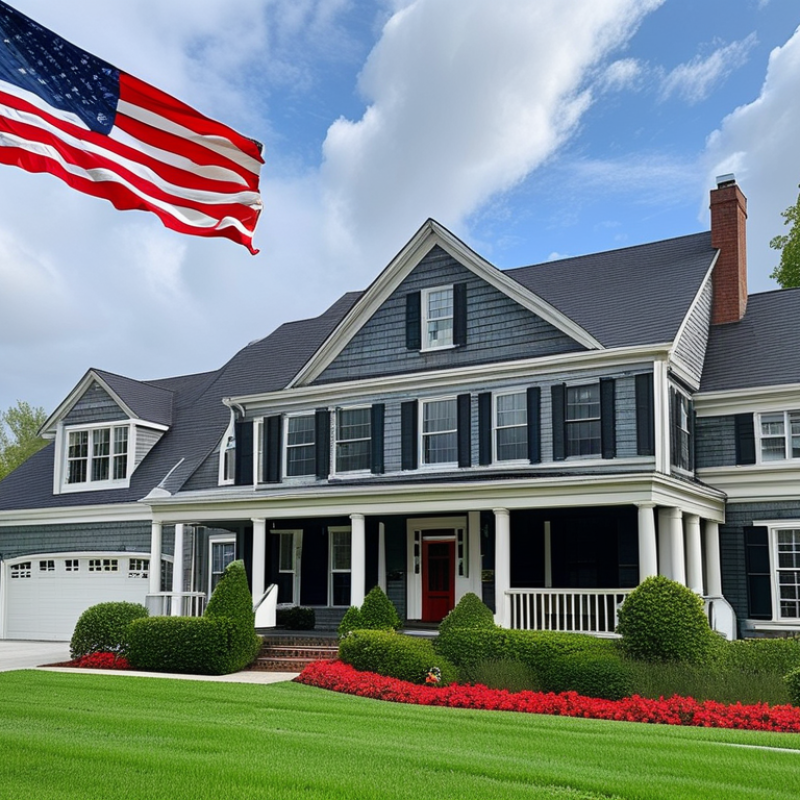
How to Choose the Best Flag Pole for Your House?
Choosing the best flag pole for your house is crucial for both aesthetic appeal and functionality. According to a report by the National Association of Flag Manufacturers, approximately 70% of homeowners prefer displaying flags prominently. A well-placed flag pole can enhance your property’s curb appeal.
Expert John Harrison, a leading consultant in the flag pole industry, emphasizes, "The right flag pole not only showcases your flag but also reflects your values." This insight reminds us that selecting a flag pole is not just about the flag itself; it's about creating a statement in your community.
Many homeowners overlook critical factors when choosing a flag pole for their house. Material, height, and installation location are essential considerations. A high-quality flag pole should withstand local weather conditions while looking great year-round. Assessing these elements will help ensure you make a lasting impression.
Factors to Consider When Selecting a Flag Pole
When selecting a flag pole for your house, several factors play a crucial role in the decision-making process.
Start with the height. A taller pole can better showcase your flag.
However, it might overwhelm a small yard.
Consider the aesthetics of your home.
A sleek design could blend seamlessly with your landscape, while a traditional look might add charm.
Material choice is also important.
Aluminum poles are lightweight and resist corrosion.
On the other hand, steel poles offer durability.
However, they can rust if not properly coated.
Think about installation challenges too. Some poles require a sturdy base or professional installation.
Others may simply need a few tools and a sunny afternoon.
Lastly, consider local weather conditions.
Strong winds may necessitate a sturdier design. Reflect on your neighborhood restrictions as well.
Some areas have rules about height and materials.
Making the right choice can enhance your home’s appeal and show your patriotism effectively.
Types of Flag Poles and Their Features
When selecting a flag pole for your home, it's vital to understand the different types available. Residential flag poles primarily fall into three categories: in-ground, wall-mounted, and portable. In-ground poles are sturdy and ideal for permanent installations. Typically, they stand anywhere from 15 to 25 feet tall. This height ensures your flag is visible from a distance.
Wall-mounted poles are an excellent choice for smaller spaces. They attach directly to the side of your house. These poles usually range between 5 to 10 feet in length. It's essential to ensure that the wall can support the pole's weight, especially in windy conditions. A common mistake is overlooking roof overhangs and other nearby structures.
Portable flag poles offer flexibility. They're easy to set up and take down, making them suitable for events like holidays or gatherings. Unfortunately, their stability can be a concern against strong winds. Users may find themselves constantly adjusting or re-staking these poles to maintain their position. Finding the right flag pole involves assessing your yard’s layout and the desired display height. Reflecting on your specific needs can significantly help in making the best choice.
Materials Used for Flag Poles: Pros and Cons
When choosing a flagpole, the material plays a crucial role. Common options include aluminum, fiberglass, and wood.
Aluminum flagpoles are lightweight and rust-resistant. However, they can be prone to dents and scratches. If you desire durability, aluminum is a strong contender but may lack aesthetic warmth.
Fiberglass flagpoles offer a unique advantage. They resist cracking and can withstand severe weather. They're also less likely to fade in the sun. On the flip side, fiberglass can be more expensive and challenging to install. If you need something that endures harsh conditions, consider this option.
Wood flagpoles bring natural beauty. They blend well in residential areas and provide a classic look. Yet, they require regular maintenance to prevent rot and insect damage. Choosing wood also means considering the weight. Heavier poles need stronger bases. In essence, each material has its strengths and weaknesses. Reflecting on your environment and needs will aid your decision.
Height and Size Guidelines for Residential Flag Poles
Choosing the right height and size for a residential flag pole is crucial.
A well-placed flag pole enhances your home’s aesthetics. Generally, consider a pole height of 15 to 25 feet for residential settings. This range helps the flag to be visible and appreciated from a distance.
Tips: Assess your yard's size and surroundings. A taller pole suits larger properties. On smaller lots, a shorter pole can create balance.
The flag size you choose should complement the pole height. A common ratio is to use a 3x5-foot flag on a 15-foot pole. For taller poles, a larger flag can make a statement.
Tips: Look at the space around the flag pole. Trees or buildings nearby can obscure visibility. Make sure the flag can fly freely without obstructions.
Installation Tips for Your Chosen Flag Pole
When installing a flag pole, several key factors come into play. It’s important to choose the right location that ensures visibility and safety. Ideally, it should be away from trees, power lines, and other obstructions. A common mistake is forgetting about wind direction and surrounding structures. According to the National Weather Service, wind speeds can affect flag poles significantly. This data shows that areas prone to heavy winds may require stronger poles and robust anchoring systems.
Proper installation is crucial for longevity. The depth of the hole for your flag pole should be generally one-third of its height, as suggested by flag pole manufacturers. Concrete is often recommended for stability. Many homeowners overlook this aspect, resulting in tilting or falling flags. The pole should be leveled during installation, which ensures that it remains upright and secure over time. Regular maintenance checks can prolong the life of your flag pole, allowing you to display your flag proudly.
Weather resistance is another factor to consider. Coated flag poles can resist rusting better than uncoated ones. The American Flag Foundation emphasizes that this can extend the lifespan of your installation. Additionally, understanding local regulations regarding flag pole height and positioning can avoid conflicts with neighbors or homeowners' associations. This awareness promotes harmonious relationships in your community.
Choosing the Best Flag Pole for Your House