How to Choose the Right Feather Flag Pole for Your Business?
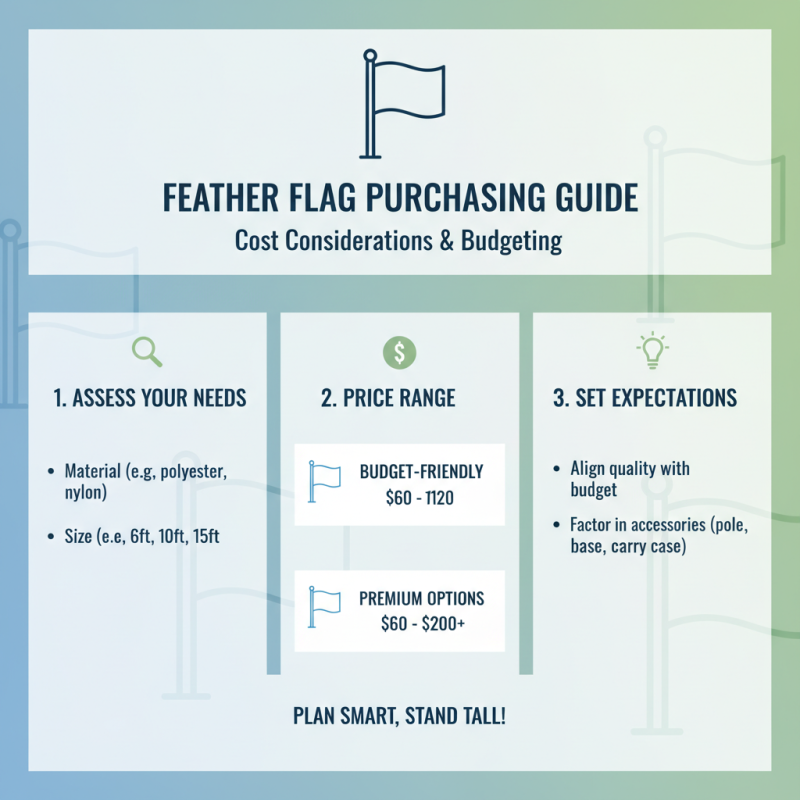
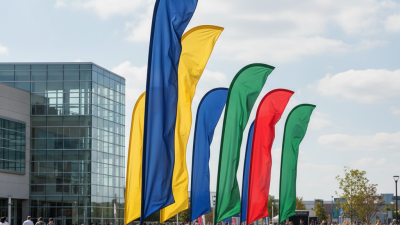
Choosing the right Feather Flag Pole for your business can significantly impact your visibility and marketing effectiveness. According to a study by the Outdoor Advertising Association, businesses can experience a 20-30% increase in foot traffic with high-quality outdoor displays. Feather flags play a crucial role in drawing attention. Their unique design allows them to sway gracefully in the wind, creating an eye-catching effect.
When selecting a Feather Flag Pole, consider the material and height. Durable materials can withstand varying weather conditions. Inconsistent choices may lead to frequent replacements, undermining your investment. Additionally, pole height is vital for ensuring visibility from a distance. Inadequate sizing can diminish the flag's visibility, leaving a business less competitive.
Some businesses overlook the importance of versatility in their selection. A one-size-fits-all approach may not adequately serve different promotional needs. Reflecting on specific event requirements or seasonal changes can lead to a more effective strategy. Ultimately, making an informed decision on a Feather Flag Pole can transform your business's outdoor presence and marketing success.
Understanding the Different Types of Feather Flag Poles Available
When selecting a feather flag pole for your business, understanding the various types available is crucial. Each type offers unique benefits tailored to specific needs. For instance, indoor feather flag poles usually stand shorter, making them suitable for trade shows and events. Outdoor poles, in contrast, are taller and often have sturdier bases to withstand wind and weather conditions. A report by the Advertising Specialty Institute indicated that businesses using feather flags can increase foot traffic by up to 25%, emphasizing their effectiveness in attracting attention.
The material of the flag pole plays a vital role, too. Aluminum poles are lightweight and resistant to corrosion, but they may lack the durability of heavier options. Fiberglass poles offer flexibility and resistance to breakage but can be more cumbersome to transport. According to a survey conducted by the Signage Foundation, 82% of consumers notice outdoor signage. Feather flags with the right pole can significantly enhance brand visibility. Evaluating your priorities—whether for mobility or stability—can help guide your choice, ensuring that the pole aligns with your overall marketing strategy.
Choosing the right feather flag pole is not just about aesthetics. Reflecting on how the pole will serve its purpose is essential. Will it be used frequently outdoors? Is it portable enough for events? Your answers can lead to the best decision for your marketing needs.
Factors to Consider When Choosing a Feather Flag Pole
Choosing the right feather flag pole is crucial for effective promotion. Consider the height of the pole. A taller pole usually captures more attention. However, if your space is limited, a shorter option might be better. You want your flags to be visible but not obstructive.
Material plays a vital role in durability. Look for poles made from strong yet lightweight materials. Fiberglass is popular for its resilience. Metal offers a sturdy option but can be heavier. Weight also affects stability. A lightweight pole might topple easily in strong winds. Reflecting on your location's weather conditions is important.
Finally, think about the ease of assembly. Some poles come with complex setups. This can lead to frustration during busy times. User-friendly designs save time and effort. It’s essential to find a pole that balances functionality with convenience. Each choice shapes how your business is perceived. So take the time to assess your options carefully.
Assessing the Height and Size Requirements for Your Business Needs
Choosing the right feather flag pole involves assessing your business's height and size needs. The visibility of your flag is crucial for attracting customers. According to industry reports, flags seen from a distance of 30 to 50 feet require a height of at least 15 feet. However, if your storefront is at street level, a 10 to 12-foot pole might suffice. Understanding your location’s unique sightlines can help you make a better choice.
Additionally, consider the size of your flag. A standard feather flag is typically 2.5 feet wide. Larger flags can overwhelm smaller storefronts or spaces. A report from the Advertising Signs Association stated that over 70% of customers notice flags when they pass by. Effective sizing can enhance visibility without clutter. Yet, not every business requires a towering flag pole. Smaller businesses in residential areas might benefit from lower profiles.
Assessing these factors can reveal the right fit for your business. The pole material can also influence the flag's performance. Lightweight materials can bend or break in strong winds. Evaluate local weather conditions too; they might dictate different needs. Balancing height, size, and durability can lead to greater customer engagement.
Height and Size Requirements for Feather Flag Poles
Evaluating Durability and Material Quality of Feather Flag Poles
When selecting a feather flag pole, evaluating durability and material quality is crucial. You want a pole that withstands wind and lasts through various weather conditions. Generally, aluminum and fiberglass are popular choices. Aluminum is lightweight yet strong, making it ideal for outdoor settings. Fiberglass can flex without breaking, providing added resilience against strong gusts.
Tips: Always check the weather forecast. If high winds are expected, consider lowering your flags.
Consider the thickness of the poles. Thicker poles tend to be sturdier and can resist bending. Make sure to inspect the construction. Quality joints and fittings ensure that your flag remains secure, even during turbulent weather.
Tips: Regular maintenance extends the life of your equipment. Clean the poles and check for any signs of wear.
Using a pole made from low-quality material might initially save money. However, it could lead to more costs in repairs and replacements. Be prepared to weigh your options carefully. The right choice ensures your flags remain vibrant and effective in drawing attention to your business.
How to Choose the Right Feather Flag Pole for Your Business? - Evaluating Durability and Material Quality of Feather Flag Poles
| Poles Material |
Height (ft) |
Durability Rating (Years) |
Weight Capacity (lbs) |
Price Range ($) |
| Aluminum |
15 |
5 |
25 |
100-150 |
| Fiberglass |
12 |
7 |
30 |
120-180 |
| Steel |
10 |
10 |
40 |
150-200 |
| Carbon Fiber |
20 |
10 |
50 |
200-300 |