How to Choose the Best Heavy Duty Flag Pole for Your Needs
When it comes to selecting the right Heavy Duty Flag Pole for your needs, understanding the nuances of quality and durability is essential. According to industry expert John Thomas, a leading authority in flagpole design, "The right flagpole should not only withstand the elements but also proudly display the flag it holds." This insight emphasizes the importance of choosing a robust flagpole that caters to both functional and aesthetic needs.
In an increasingly diverse market, the options for Heavy Duty Flag Poles can be overwhelming. From height and material to installation methods, each factor plays a critical role in ensuring longevity and reliability. Whether you're displaying a national flag, a company banner, or a sports team emblem, selecting a heavy-duty option ensures that your flag remains resilient against wind, rain, and other environmental challenges.
Ultimately, the investment in a quality Heavy Duty Flag Pole is one that pays dividends in both presentation and durability. By considering key features and expert recommendations, you can confidently choose the best flagpole that meets your unique requirements, while showcasing your pride and intentions with unwavering strength.
Understanding Your Requirements for a Heavy Duty Flag Pole
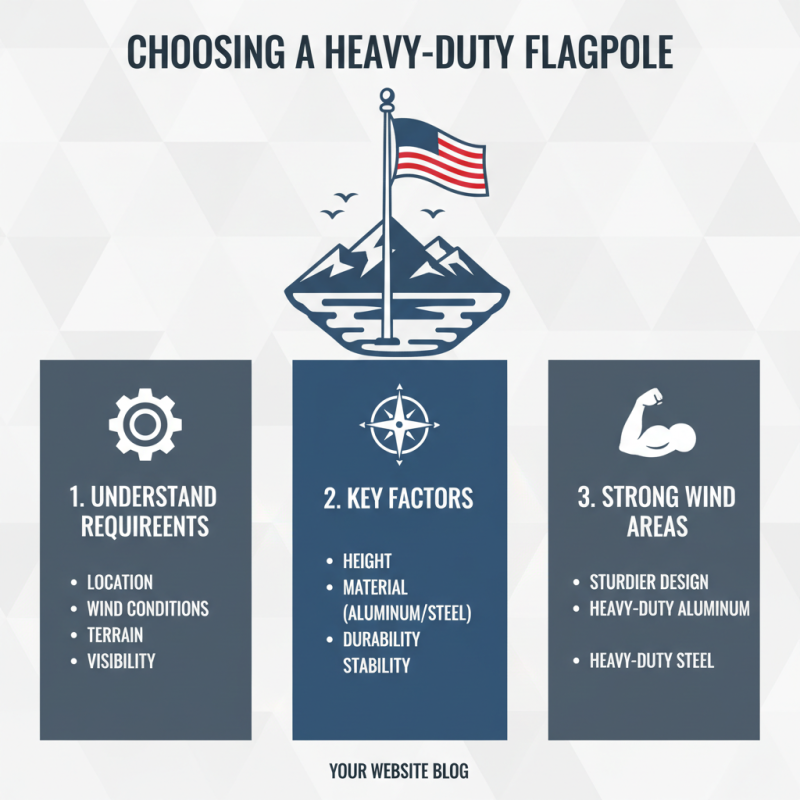
When choosing a heavy-duty flag pole, it is essential to start by understanding your specific requirements. Consider the location where the flag will be displayed. Factors such as wind conditions, terrain, and visibility play a crucial role in determining the height and material of the pole. For areas with strong winds, a sturdier design, such as one made from heavy-duty aluminum or steel, may be necessary to ensure durability and stability.
Additionally, think about the size and weight of the flag you intend to hoist. A larger flag will require a pole that can withstand additional stress, while heavier materials might call for a more robust pole structure. It's also important to consider how easily the flag can be raised and lowered; features such as a pulley system may be beneficial for larger flags. Lastly, if aesthetic appeal is a factor, exploring various finishes and styles can help you find a flag pole that complements your surroundings while meeting practical needs.
Evaluating Material Options for Durability and Weather Resistance
When selecting a heavy-duty flag pole, the material you choose plays a crucial role in determining its durability and ability to withstand various weather conditions. Common materials include aluminum, fiberglass, and steel, each with its unique benefits. Aluminum is lightweight and resistant to rust, making it ideal for coastal regions where saltwater can cause corrosion. Fiberglass, on the other hand, is highly resistant to fading and cracking, ensuring your flag remains vibrant in the sun for years. Steel flag poles are robust and can withstand high winds, but they require a protective coating to prevent rust.
Additionally, think about the maintenance required for each material. Aluminum may require less upkeep, while steel might need regular inspections for rust. Checking user reviews or seeking advice from local suppliers can also guide you toward making the right choice for your needs.
Assessing Height and Size Specifications for Optimal Visibility
When selecting a heavy-duty flagpole, height and size specifications are crucial for ensuring optimal visibility. The height of the flagpole should be determined based on its intended location and the surrounding environment. Consider how tall the buildings or trees are in the vicinity; a flagpole should be tall enough to stand out without being overshadowed. Generally, flagpoles range from 20 to 50 feet, and the ideal height also depends on the size of the flag you plan to fly. A larger flag requires a taller pole to maximize visibility from a distance.
Tips: If you are uncertain about the appropriate height, a good rule of thumb is to choose a pole that is at least 1.5 times the height of nearby structures. This will help ensure your flag can be seen clearly from various angles and distances. Additionally, check local regulations, as some areas have specific height restrictions for flagpoles.
When it comes to size, consider the flag's proportions in relationship to the pole. A flag that is too large for the pole may appear unwieldy, while a flag that is too small can look lost. Common guideline suggests that the flag's width should be approximately one-quarter the height of the pole to maintain balance and aesthetic appeal. Carefully assessing these dimensions will provide you with a visually appealing setup that effectively showcases your flag.
How to Choose the Best Heavy Duty Flag Pole for Your Needs - Assessing Height and Size Specifications for Optimal Visibility
| Flag Pole Height (ft) | Material | Flag Size (ft) | Wind Rating (mph) | Installation Type |
|---|---|---|---|---|
| 15 | Aluminum | 3x5 | 50 | Ground |
| 20 | Fiberglass | 4x6 | 60 | Ground |
| 25 | Steel | 5x8 | 70 | Ground |
| 30 | Aluminum | 6x10 | 80 | Ground |
| 40 | Galvanized Steel | 8x12 | 90 | Ground |
Comparing Installation Methods and Ground Support Options
When selecting a heavy-duty flag pole, it's essential to consider the various installation methods and ground support options available.
Depending on your specific needs, you may opt for in-ground installation, where the pole is secured directly in the ground, providing maximum stability and durability. This method often involves setting the pole in concrete, ensuring it can withstand strong winds and harsh weather conditions. In-ground installations are ideal for permanent setups, particularly in locations where the flag will be displayed year-round.
Alternatively, ground support options such as portable bases or wall-mounted brackets offer flexibility for those who may need to relocate their flag pole or have space constraints. Portable bases can be easily moved, making them suitable for temporary displays or events, while wall-mounted brackets save ground space and can be an attractive way to display your flag on a building.
Regardless of the method chosen, it's important to consider the weight and height of the flag pole to ensure that the installation method will adequately support it without compromising safety.
Exploring Budget Considerations and Warranty Offers
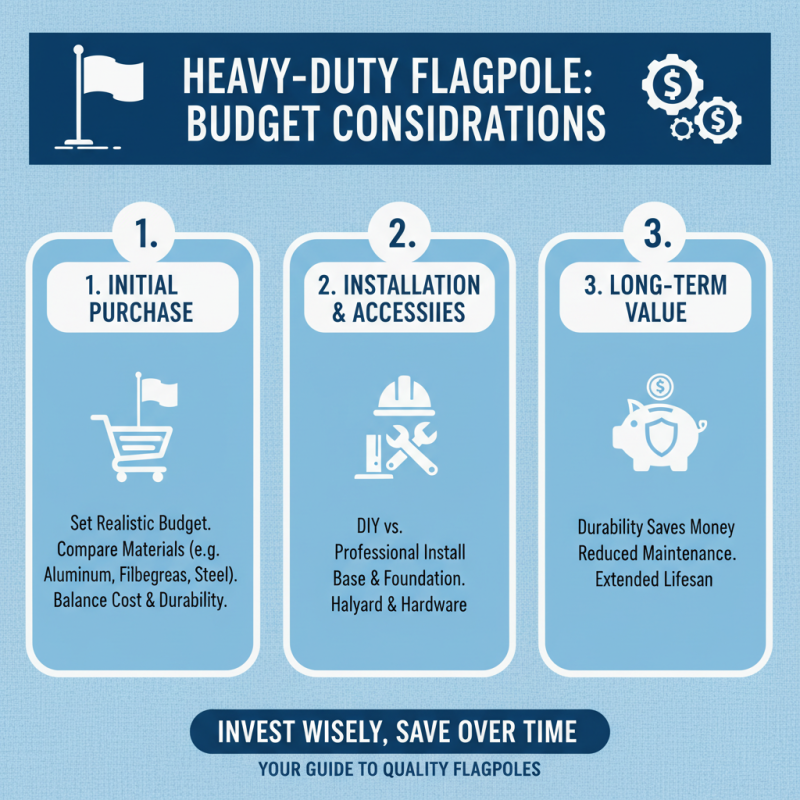
When selecting a heavy-duty flagpole, budget considerations play a crucial role in the decision-making process. It’s essential to set a realistic budget that not only includes the initial purchase price but also accounts for installation and maintenance costs. While it may be tempting to opt for the cheapest option available, investing a bit more initially can lead to better durability and longevity, ultimately saving you money in the long run. Researching different materials and their associated costs can help you gauge what fits your budget without compromising on quality.
Warranty offers should also be an integral part of your decision. A strong warranty indicates confidence in the product's durability and performance, providing peace of mind for your investment. Look for warranties that cover not only manufacturing defects but also specific conditions related to wear and tear. Understanding the terms and conditions associated with the warranty can prevent unexpected costs down the line. Taking the time to compare the warranties offered by different manufacturers will give you insight into the product's longevity and the manufacturer’s commitment to customer satisfaction.
Related Posts
-
Ultimate Resource for Sourcing the Best Heavy Duty Flag Poles Globally
-

Embracing Innovation in Flag Pole Designs for a Sustainable Future
-

Top 10 Manufacturers of Telescopic Flag Poles in China at the 137th Canton Fair
-

Top 10 Manufacturers of Heavy Duty Flag Poles from China at the 137th Canton Fair
-

Choosing the Right Manufacturer for Best Flag Poles A Comprehensive Comparison Guide for Global Buyers
-

Emerging Technologies Shaping the Future of Flag Poles in 2025