Best Flagpole Options for Your 2026 Outdoor Space?
As we approach 2026, the demand for quality flagpoles rises. Homeowners are looking for durable options that enhance outdoor aesthetics. According to a recent industry report by the Flagpole Association, the flagpole market is expected to grow by 15% over the next three years. This growth reflects the increasing importance of outdoor spaces in residential planning.
Jim Collins, a leading expert in the flagpole industry, states, “A flagpole is not just a structure; it represents pride and identity.” Choosing the right flagpole is essential for creating a welcoming outdoor environment. Factors like material, height, and design play crucial roles in selection. Many homeowners overlook maintenance needs, which can impact longevity.
Finding the best flagpole options requires thoughtful consideration. Homeowners must balance personal style with functionality. There is potential for mistakes, like selecting a pole that’s too tall or too short. Reflecting on these choices will ensure that the chosen flagpole stands proud for years.
Best Flagpole Materials for Durability in Outdoor Spaces
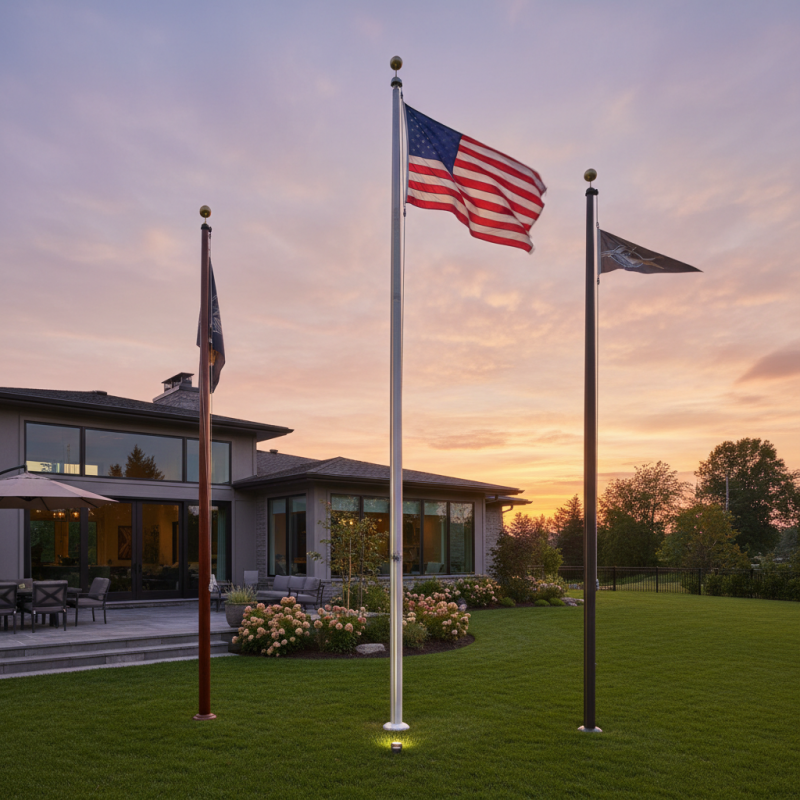
When selecting flagpoles for your outdoor space, durability is key. The materials used can make a significant difference. Aluminum is lightweight yet strong. It resists rust and corrosion, which is ideal for all weather types. Stainless steel provides a different level of sturdiness. It shines and holds up against extreme elements. However, it may require more maintenance over time.
Fiberglass offers a unique option. It's resistant to fading and can withstand high winds. Yet, some find it less appealing visually. Wood provides a traditional look but can deteriorate. Treatment is necessary, and it may warp or split. Weather can be tough on wood, causing regret later. So, careful consideration is essential when choosing materials.
Visually appealing flagpoles can enhance your outdoor décor. However, remember that aesthetics shouldn’t overshadow functionality. Balance is necessary for a lasting choice. You may want to explore options based on local conditions. A pole that works in one area may not suit another. Keep these factors in mind to find the best fit for your outdoor space.
Best Flagpole Options for Your 2026 Outdoor Space
| Flagpole Material | Durability Rating | Wind Resistance (mph) | Corrosion Resistance | Price Range |
|---|---|---|---|---|
| Aluminum | Excellent | 100 | High | $100 - $500 |
| Fiberglass | Very Good | 90 | Medium | $200 - $700 |
| Steel | Good | 80 | Low | $150 - $600 |
| Wood | Fair | 60 | Very Low | $300 - $800 |
Choosing the Right Height for Your Flagpole Design
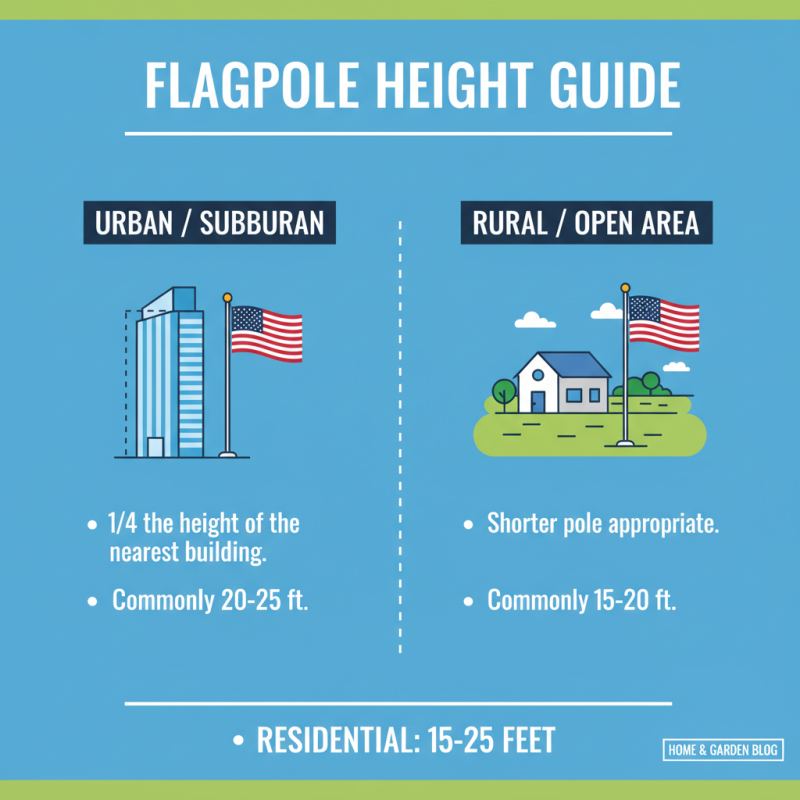
Choosing the right height for your flagpole is crucial for creating an inviting outdoor space. The ideal height often depends on your surroundings. A common recommendation is to select a flagpole that is one quarter of the height of the nearest building. For a more rural area, a shorter pole may suffice. Experts suggest heights ranging from 15 to 25 feet for residential spaces.
Research indicates that visibility plays a significant role. A flag should be easily seen from a distance. In urban settings, taller poles can help. Yet, they may cause challenges in tight spaces or neighborhoods with strict regulations. Some homeowners overlook local ordinances. A flagpole that is too tall can lead to disputes with neighbors.
Many homeowners also underestimate the impact of lighting. A well-lit flagpole can enhance visibility at night. However, lighting should complement the height. Too much lighting can overwhelm a small flagpole. Balancing aesthetics with practicality is key. Measure your space carefully and consider flag dimensions in relation to pole height. It’s not merely a choice of height; it reflects your personal style and community standards.
Types of Flagpoles: In-Ground vs. Telescoping Options
When choosing a flagpole for your outdoor space, consider the two main types: in-ground and telescoping options. In-ground flagpoles offer stability. They stay put, even in high winds. Installing an in-ground pole requires digging a hole and securing it with concrete. This can be a labor-intensive task. But once installed, it creates a permanent display that stands tall.
Telescoping flagpoles are more versatile. They allow you to adjust the height easily. This makes them a great choice for events or changing seasons. They can be set up and taken down in minutes. The ease of use is a plus, especially for those who may not want to commit to a permanent structure. However, they can sway more in the wind, and you might find yourself worrying about stability.
Both types have their pros and cons. An in-ground pole feels sturdier, but installation can be a hassle. Telescoping poles offer flexibility but may compromise strength. Weighing these options is crucial. Consider your priorities, features that matter most, and how the pole fits into your overall outdoor design.
Best Flagpole Options for Your 2026 Outdoor Space
Installation Tips for a Secure and Stable Flagpole
When installing a flagpole, stability is vital. According to industry reports, over 30% of flagpoles suffer from improper installation. This often leads to sagging or tilted flags, which diminishes their visibility. Understanding soil type is crucial. Sandy soil requires deeper holes compared to clay. Failure to recognize this can result in a wobbly flagpole.
Proper anchoring is another key factor. Many installers overlook the significance of concrete reinforcement. Experts suggest using a concrete mix that achieves at least 3000 PSI strength. This helps secure the pole against strong winds. It's recommended to embed at least 1/3 of the pole’s length underground. However, it’s not uncommon for individuals to cut corners here, leading to future issues.
Wind load capacity is an essential consideration as well. A 20-foot flagpole can handle winds up to 40 mph, but even slight miscalculations can lead to disasters. Regular inspections can uncover hidden vulnerabilities. Ignoring routine maintenance can leave flagpoles susceptible to wear and tear. Regular checks on the hardware and poles themselves can prevent costly replacements later.
Maintaining Your Flagpole for Longevity and Appearance
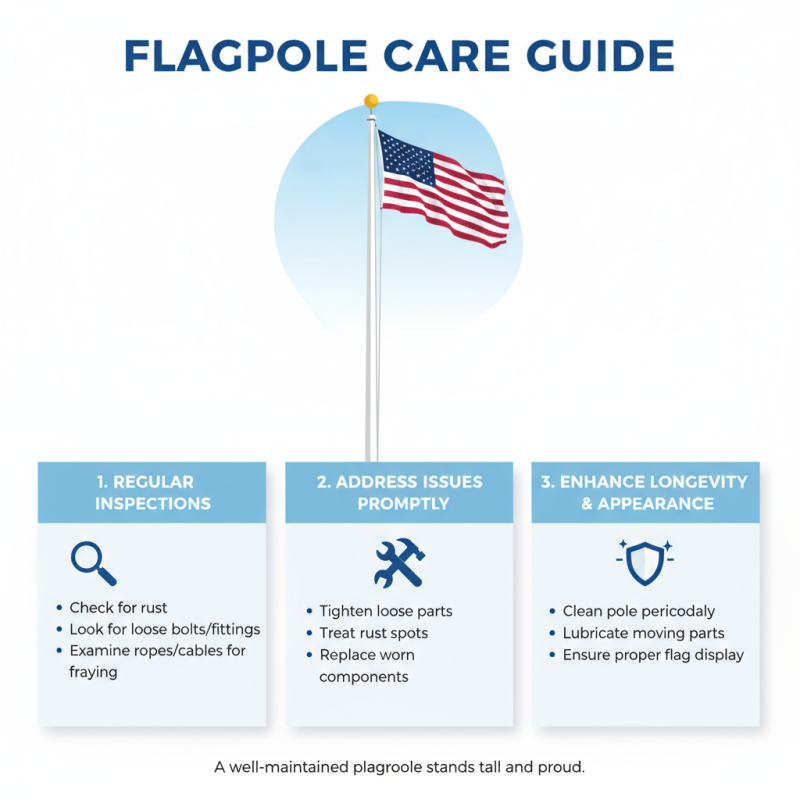
Maintaining your flagpole is essential for both longevity and appearance. Regular inspections can reveal issues like rust or loose fittings. A well-maintained flagpole stands tall against the elements. Look for signs of wear, especially at joints. If you notice anything unusual, address it quickly.
Cleaning your flagpole is another crucial step. Use mild soap and water to remove dirt and grime. Avoid harsh chemicals that can damage the surface. For aluminum poles, consider a gentle polish occasionally. This practice prevents corrosion and keeps the flagpole looking pristine. Don’t forget to check the halyard as well. Replace any frayed ropes to avoid flag damage.
Proper positioning can also enhance your flagpole's lifespan. Ensure it’s anchored correctly and not too close to trees. Branches can scrape against the pole, causing wear over time. A strategic location minimizes the risk of damage and makes your space inviting.Reflect on how often you overlook these details. Small actions lead to significant results in maintaining your flagpole.
Related Posts
-
10 Essential Factors to Consider When Sourcing Flagpoles Globally
-

How to Choose the Right Flag Post for Maximum Visibility and Durability in Varied Weather Conditions
-

Discover the Significance of Flag Posts in Cultural Heritage and Modern Celebrations
-

How to Choose the Best Telescoping Flagpole for Your Needs?
-
2026 Top Stainless Steel Flagpoles for Your Home and Business?
-

The Ultimate Guide to Choosing the Best Flagpole for Your Home and Garden