10 Best Advertising Tents for Global Buyers?
Choosing the right Advertising Tent can shape how customers remember your brand in a crowded outdoor market. A strong tent offers more than a printed roof and bright colors. It should provide stable shelter, clear branding, practical transport, and dependable performance during repeated events.
This guide examines ten leading advertising tents for global buyers. We consider frame strength, fabric quality, print clarity, setup time, portability, and weather resistance. We also look at useful details, such as reinforced corners, adjustable feet, carry bags, and replaceable graphic panels. These features become important when a team works on pavement, grass, beaches, or uneven exhibition grounds.
Small details matter. A loose connector can slow an event. Fading graphics can weaken a professional image. Our evaluation draws on product specifications, real-world event needs, and practical buyer considerations. We also recognize that no single model suits every country, climate, budget, or marketing campaign. A lightweight tent may be ideal for a weekend market but less suitable for windy coastal conditions. That distinction deserves attention.
Some recommendations may appear less impressive on paper. In practice, they may offer better value, easier maintenance, or faster installation. Price alone can mislead buyers. So can attractive photos. This overview encourages careful comparison of materials, warranties, supplier communication, and customization options before purchase. It is not a perfect formula. However, it provides a reliable starting point for selecting an Advertising Tent that looks professional and works consistently across different event environments.
What Advertising Tents Are and Why Global Buyers Use Them
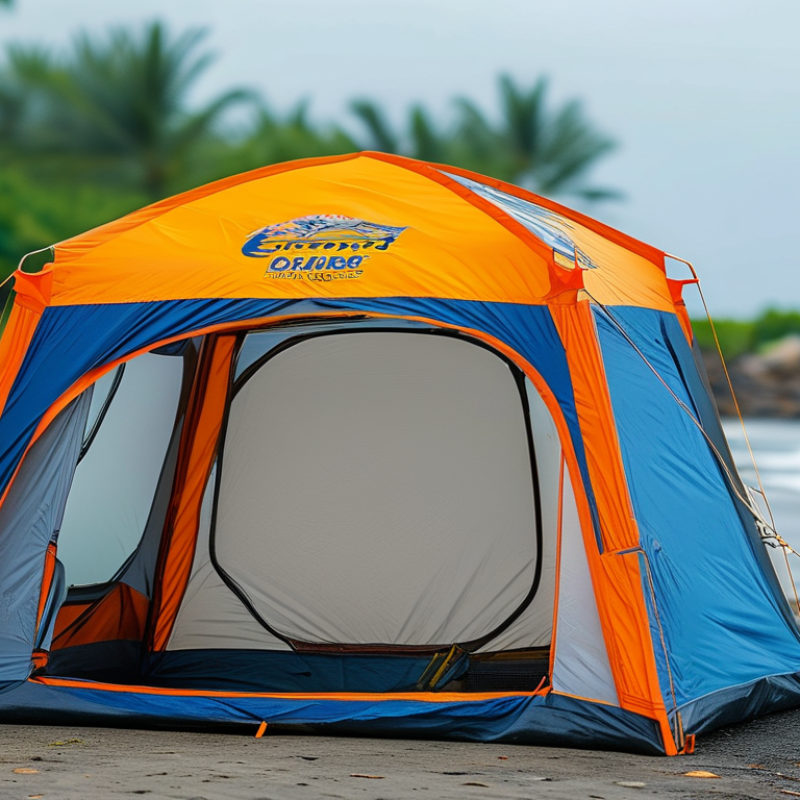
Advertising tents are portable structures designed to display a business, product, or message in busy public spaces. They usually combine a printed canopy, a stable frame, side walls, and weighted bases. Their format turns an empty sidewalk, sports field, trade fair, or community event into a recognizable selling area. From practical event experience, buyers value quick setup more than impressive appearance alone. A tent that takes twenty minutes to assemble may slow down a small marketing team.
Global buyers use advertising tents because they provide visible, reusable space without permanent construction. A bright roof can attract attention from a distance. Printed walls can explain services when staff are speaking with several visitors. They also protect samples, brochures, and workers from light sun or changing weather. However, weather resistance is not the same as storm safety. Wind ratings, fabric quality, frame joints, drainage, and anchoring methods deserve careful review. Some suppliers describe products too confidently. That is worth questioning.
Tips: Measure the venue before ordering. Check doorway width, packed size, and transport weight. Request fabric specifications and printing details. Ask how the frame handles repeated assembly. Use proper weights on every exposed surface. Keep emergency exits clear, and follow local event rules. A custom message should remain readable from several meters away. Avoid crowded graphics. Test one unit first, because photographs can hide weak stitching, awkward locks, or colors that look different outdoors.
Key Features to Compare Before Choosing an Advertising Tent
10 Best Advertising Tents for Global Buyers?
Choosing an advertising tent requires more than comparing printed graphics. Start with the frame. Aluminum is lightweight, while steel usually offers greater strength. Check joints, connectors, and leg locks carefully. Weak hardware can fail during repeated setup. I have seen attractive tents become unstable because their bases were too light. That mistake is easy to overlook.
Fabric performance matters just as much. Look for water resistance, UV protection, and clear color printing. Ask for test reports when available, especially for flame-retardant materials. Requirements differ between markets, so confirm local event regulations before ordering. The canopy should also have reinforced corners and strong stitching. A small tear can spread quickly in windy conditions. Consider portability too. Wheels, storage bags, and tool-free assembly can reduce transport effort. However, lighter designs may sacrifice durability. That trade-off deserves honest attention.
Tips: Compare packed size, not only open dimensions. Measure your vehicle and storage area first. Test the printed artwork at full scale. Small text may disappear from a distance. Choose a suitable anchoring system for grass, pavement, or indoor floors. Ask about replacement parts, cleaning instructions, warranty coverage, and delivery times. Color samples are useful, but screens can misrepresent shades. Request physical samples when brand consistency matters. A practical checklist often reveals details that a polished product photo hides.
10 Best Advertising Tent Types for Different Marketing Needs
Choosing an advertising tent starts with the audience, not the artwork. EventTrack research has reported that 91% of consumers feel more positive toward brands after live experiences. A practical tent can support that response. A pop-up canopy suits quick retail promotions. A folding tent fits markets and small roadshows. A pagoda tent gives premium visual height. An inflatable tent attracts attention from a distance. A dome tent creates an immersive product area. A tunnel tent guides visitors through demonstrations. A stretch tent offers flexible shapes for evening events. An enclosed tent protects private consultations. A trailer-mounted tent supports repeated mobile campaigns. A modular tent handles larger exhibitions and changing layouts.
Each type solves a different marketing problem. Pop-up models usually need weighted legs, printed walls, and a clear entrance. Inflatable structures need reliable air systems and backup planning. Outdoor Research reports repeatedly show that weather strongly affects participation and event comfort. That makes water resistance, ventilation, anchoring, and flame-performance documentation important purchasing checks. Do not judge quality from photos alone. Inspect seams, frame joints, fabric density, and replacement-part availability.
Our field experience suggests that many buyers overestimate visual size. A huge tent can create empty, uncomfortable space. Smaller footprints may produce better conversations. Measure transport doors, pavement conditions, and setup time before ordering. The imperfect part is often staffing: even an excellent tent fails when visitors cannot find information quickly. Use readable sidewalls, shaded seating, and one visible message. Different markets also require different permits and safety rules, so local verification remains essential.
10 Best Advertising Tent Types for Different Marketing Needs
Comparative planning benchmark based on visibility, portability, setup speed, weather protection, and usable branding area.
Larger-format structures generally provide greater branding space and visitor capacity, while compact pop-up and inflatable options are better suited to mobile campaigns, retail promotions, and short-duration events. Scores are practical planning estimates on a 100-point scale and should be adjusted for local weather, venue rules, transport, and campaign objectives.
Materials, Sizes, Branding Options, and Weather Resistance
10 Best Advertising Tents for Global Buyers?
Materials strongly influence an advertising tent’s lifespan and appearance. Polyester fabric is lightweight, dries quickly, and suits frequent transport. Oxford fabric usually feels tougher under repeated handling. Check the denier rating, stitching quality, and waterproof coating before ordering. I have found that weak seams fail sooner than the canopy fabric. Small details matter. Aluminum frames resist rust and reduce carrying weight, while steel frames offer greater stability but require more maintenance.
Choose the size according to visitor flow, not only display space. A compact 3 x 3 meter tent fits markets and small exhibitions. Larger 3 x 6 meter models provide room for counters, samples, and staff movement. Leave clear walking space around tables. Crowded layouts look unprofessional and slow conversations. I still overestimate usable space sometimes, especially after adding banners and storage boxes.
Branding options include full-color roof printing, valances, sidewalls, flags, and fitted table covers. Confirm artwork dimensions and color requirements before production. High-resolution files create sharper logos and readable contact details. Avoid placing essential text near seams or corners. For weather resistance, inspect water-repellent coatings, reinforced corners, guy ropes, and ground anchors. Wind ratings can vary by setup and surface. A tent that feels secure indoors may need extra ballast outdoors. Weather forecasts help, but they are never perfect.
How to Select, Order, and Maintain an Advertising Tent Internationally
Selecting an advertising tent internationally starts with the event, not the catalogue. Measure the booth area, doorway height, and storage space before comparing models. An experienced buyer checks frame joints, fabric weight, stitching, water resistance, and wind guidance. Aluminum frames are usually easier to carry, while reinforced steel adds weight and stability. Small details matter. Ask for fire-performance documents when venues require them, and confirm graphic dimensions in writing. Do not trust a product photo alone.
For overseas ordering, request a complete quotation with product size, packed dimensions, gross weight, lead time, and delivery terms. Check whether the supplier can provide a clear packing list and commercial invoice. Request fabric samples or a digital color proof before approving printed panels. Colors may shift between screens and fabric. I once approved artwork too quickly, and the final blue looked darker than expected. That mistake still influences my ordering process. Written specifications protect both sides, although they cannot replace careful communication.
After delivery, inspect every pole, connector, canopy, and printed wall before the first event. Keep the tent completely dry before storage, even after a short shower. Wipe dust with mild soap, not harsh chemicals. Check seams and joints after windy use. Replace damaged parts early; a small crack can become a costly failure. Keep a simple maintenance log with dates, weather, and repairs. It feels excessive, but memory is unreliable. International replacement shipping can also take several weeks, so carrying spare connectors and clamps is practical.
10 Best Advertising Tents for Global Buyers? - How to Select, Order, and Maintain an Advertising Tent Internationally
| Rank | Tent Type | Typical Footprint | Usable Area | Recommended Capacity | Approx. Weight | Main Frame and Cover | Indicative Wholesale Price (USD/Unit) |
Typical Custom Lead Time | Best International Use | Ordering and Maintenance Priorities |
|---|---|---|---|---|---|---|---|---|---|---|
| 1 | 3 × 3 m Pop-Up Canopy | 3 × 3 m 9.8 × 9.8 ft |
9 m² 97 ft² |
2–4 people | 25–35 kg | Powder-coated steel frame; 420D–600D polyester roof and walls | $90–$220 | 15–25 days | Retail promotions, sampling, community events, and short-term indoor exhibitions | Confirm packed size, fabric coating, printing method, spare connectors, and whether ballast is included. Dry completely before storage. |
| 2 | 3 × 3 m Aluminum Pop-Up Canopy | 3 × 3 m 9.8 × 9.8 ft |
9 m² 97 ft² |
2–4 people | 18–28 kg | Anodized aluminum frame; 500D–600D polyester or Oxford fabric | $180–$450 | 20–30 days | Frequent trade-show travel where low weight and corrosion resistance matter | Request alloy and tube-wall specifications, a replacement-parts list, UV resistance information, and a wheeled carry bag. |
| 3 | 3 × 6 m Modular Advertising Tent | 3 × 6 m 9.8 × 19.7 ft |
18 m² 194 ft² |
4–8 people | 30–45 kg | Aluminum or reinforced steel frame; full digital-printed polyester walls | $350–$850 | 25–40 days | Large exhibitions, product demonstrations, hospitality areas, and registration zones | Check door placement, wall-panel numbering, shipping carton dimensions, fabric fire certification, and cleaning instructions. |
| 4 | 4 × 4 m Heavy-Duty Canopy | 4 × 4 m 13.1 × 13.1 ft |
16 m² 172 ft² |
4–8 people | 30–50 kg | Reinforced aluminum or steel frame; coated 600D polyester canopy | $450–$1,000 | 25–40 days | Outdoor roadshows, sports events, food promotions, and regional campaigns | Buy compatible water or sand ballast separately when needed. Inspect joints, roof tension, and anchor straps after every event. |
| 5 | 5 × 5 m Large Exhibition Tent | 5 × 5 m 16.4 × 16.4 ft |
25 m² 269 ft² |
8–12 people | 45–70 kg | Heavy aluminum frame; PVC-coated polyester or premium printed fabric | $800–$1,800 | 30–50 days | Flagship outdoor activations, media events, VIP lounges, and multi-zone displays | Verify venue regulations, installation labor, ballast calculations, freight class, and the availability of replacement roof sections. |
| 6 | 4 × 4 m Inflatable Advertising Tent | 4 × 4 m 13.1 × 13.1 ft |
16 m² 172 ft² |
2–6 people | 12–25 kg excluding blower |
Coated Oxford or PVC fabric; electric blower generally required | $300–$900 | 20–35 days | High-visibility launches, sports promotions, festivals, and quick setup campaigns | Confirm voltage, plug type, blower noise, continuous-air requirements, repair patches, and international electrical compliance. |
| 7 | 5 m Circular Dome Tent | 5 m diameter 16.4 ft diameter |
19.6 m² 211 ft² |
6–10 people | 35–60 kg | Segmented aluminum or steel frame; weather-resistant polyester panels | $700–$1,800 | 30–50 days | Immersive brand experiences, information centers, and premium photo or media spaces | Ask for assembly drawings, panel replacement procedures, ventilation details, and waterproof-seam specifications. |
| 8 | 5 × 5 m Stretch Fabric Tent | 5 × 5 m 16.4 × 16.4 ft |
25 m² 269 ft² |
8–12 people | 35–60 kg | Elastic waterproof fabric; steel or aluminum poles with tension anchors | $500–$1,300 | 25–45 days | Stylized hospitality areas, evening events, festivals, and premium outdoor campaigns | Confirm fabric stretch percentage, fire rating, anchor requirements, drainage design, and allowable installation surfaces. |
| 9 | 3 × 3 m Flame-Resistant Event Canopy | 3 × 3 m 9.8 × 9.8 ft |
9 m² 97 ft² |
2–4 people | 20–35 kg | Aluminum or steel frame; certified flame-resistant polyester or PVC-coated fabric | $160–$400 | 20–35 days | Food fairs, indoor venues, public events, and markets with strict safety requirements | Request the actual test certificate accepted by the destination market. Do not rely only on the phrase “fireproof.” |
| 10 | 4 m Hexagonal Promotional Tent | Approx. 4 m wide 13.1 ft wide |
10.4 m² 112 ft² |
4–6 people | 25–45 kg | Aluminum or steel frame; printed polyester roof with optional side panels | $300–$800 | 25–40 days | Compact roadshows, mall promotions, ticketing points, and local outdoor campaigns | Confirm the exact ground footprint, panel geometry, graphic template, carton size, and spare-pole availability. |
Related Posts
-
12 Essential Tips for Choosing the Best Office Flag Stand for Your Business
-

What is a Hand Flag and How to Choose the Best One for Your Needs
-

10 Essential Tips for Choosing the Right Indoor Flag Pole
-
How to Choose the Best Flagpole for Your Needs?
-
Creative Uses for Beach Flag Poles in Different Outdoor Settings
-

The Ultimate Guide to Choosing the Best Office Flag Stand 2026?